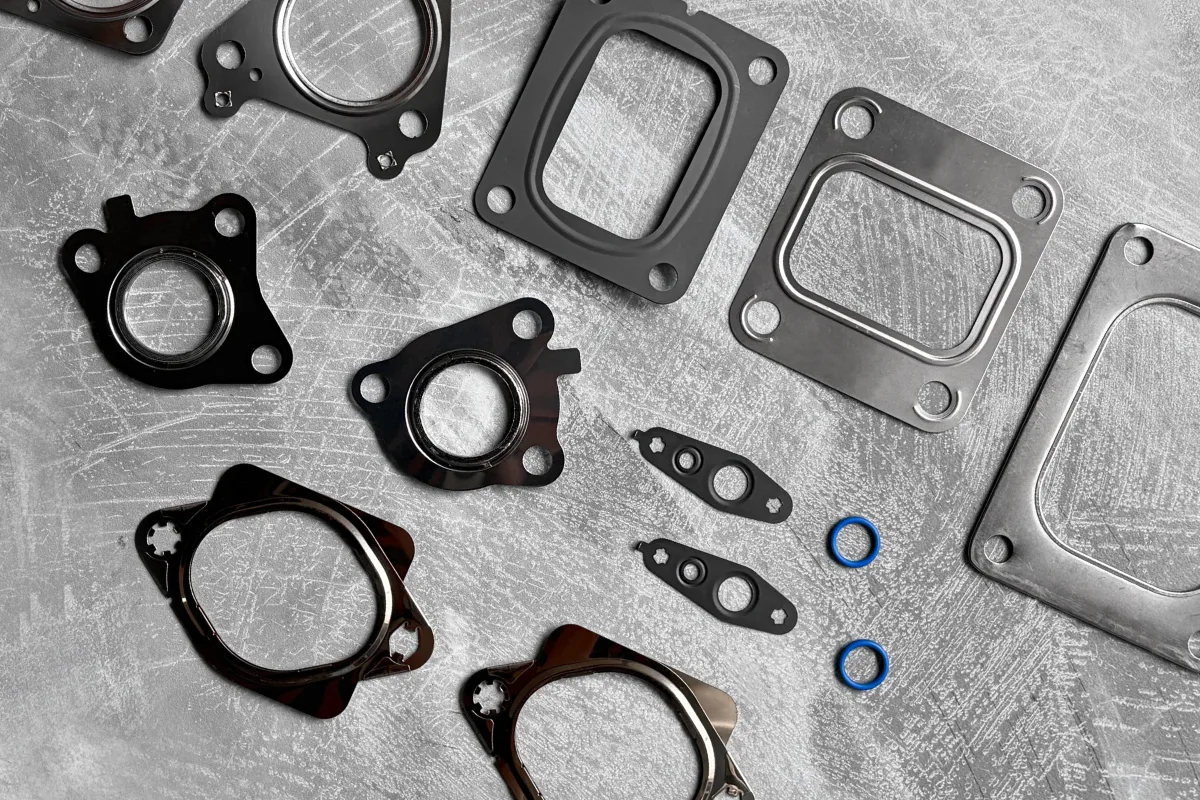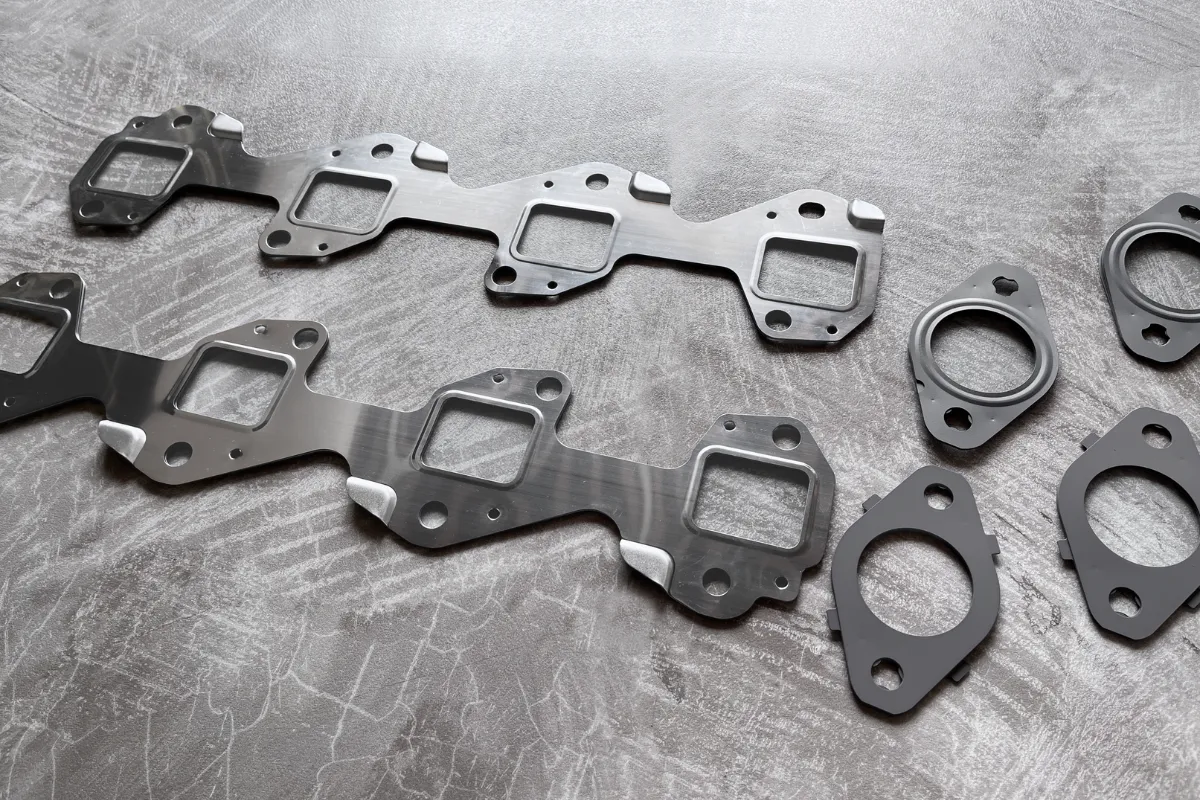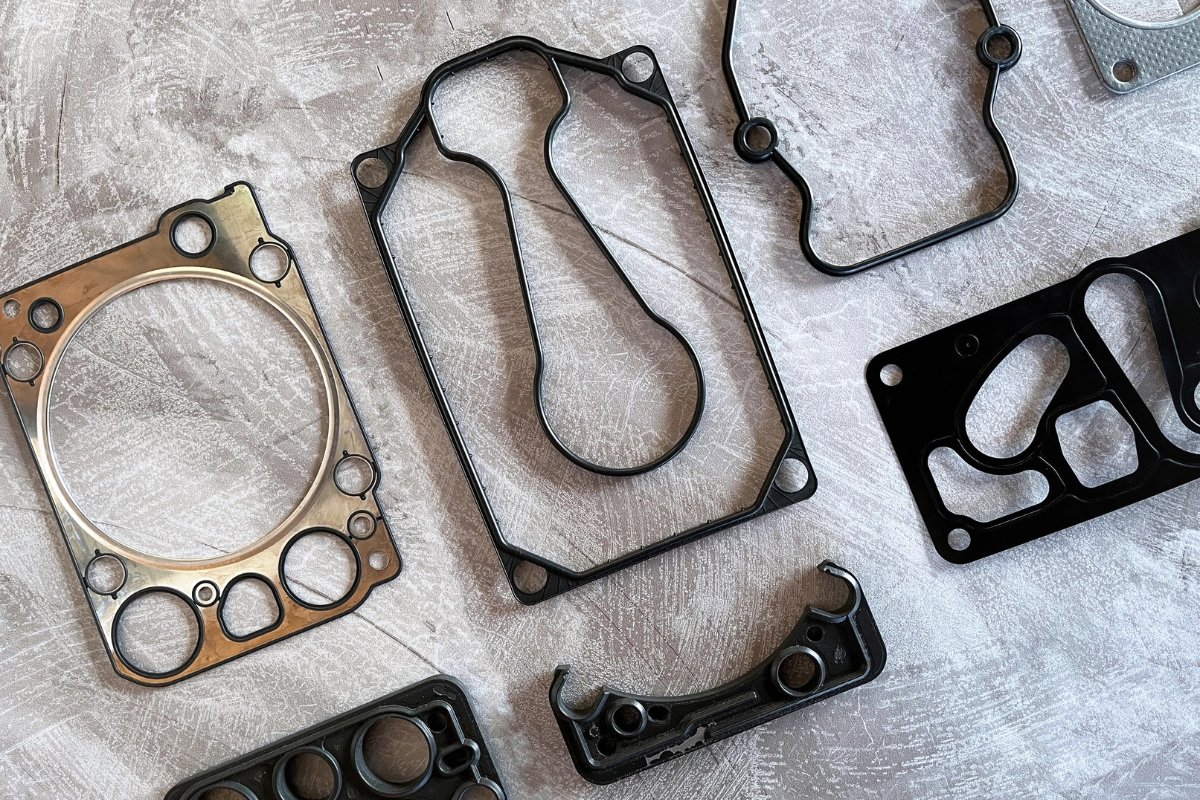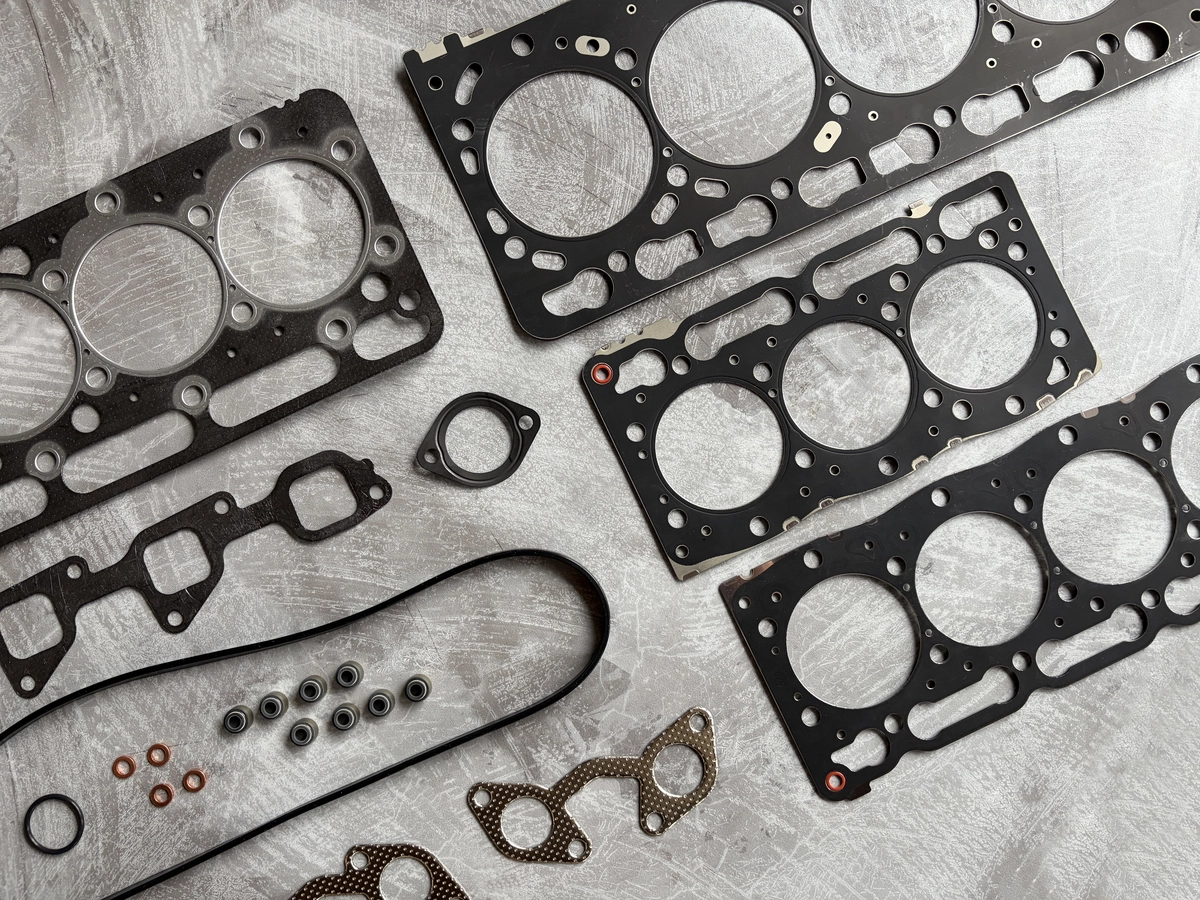
Kubota Diesel Engine
If you work with tractors or agricultural equipment, Kubota probably isn’t a new name to you. Founded in Japan back in 1890, Kubota Corporation has spent over 130 years building machinery that farmers around the world actually rely on day to day. Their product lineup goes well beyond tractors – think engines, construction equipment, pumps, and more. That long track record of reliability is exactly why Kubota stays at the top of the list when it comes to agricultural machinery.
Kubota Engine Code
Before we get into Kubota head gasket replacement, let’s take a minute to decode what those engine numbers actually mean, it’s more interesting than it looks!
Take V2203 as an example:
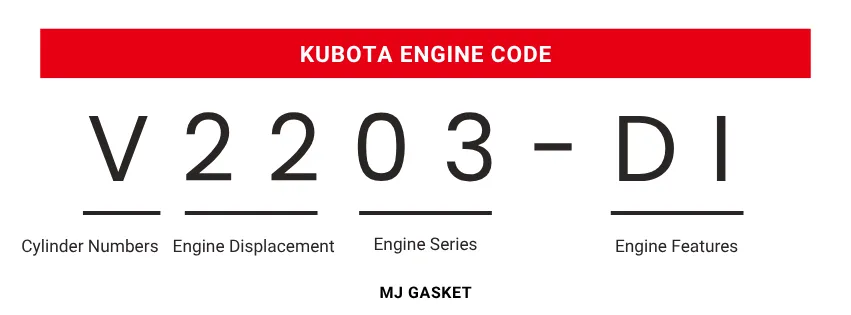
The first character tells you the cylinder count, and here’s the fun part: the letter codes are based on German numbers.
| Code | German | Feature |
|---|---|---|
| E | Eins | Single cylinder engine |
| Z | Zwei | Two cylinders engine |
| D | Drei | Three cylinders engine |
| V | Vier | Four cylinders engine |
| F | Fünf | Five cylinders engine |
| S | Sechs | Six cylinders engine |
So in V2203, the V tells us it’s a four-cylinder engine.
The second and third characters — 22 in V2203 — represent the engine displacement. Here, 22 means 2.2L. The fourth and fifth characters indicate the engine series, and any letters after that describe special features:
T: Turbocharged
DI: Direct Injection
CR: Common-rail direct injection
I: Intercooled
Kubota Head Gasket Selection
The following guide covers how to select and measure the correct cylinder head gasket for Kubota engines. Choosing the right gasket thickness really does matter — use the wrong one and you could end up with power loss, overheating, or worse.
Replacing the Kubota Cylinder Head Gasket
- Remove the Old Head Gasket: When taking the engine apart, carefully remove the cylinder head gasket and set it aside. Keep it handy, it’s your best reference point for identifying the correct replacement thickness.
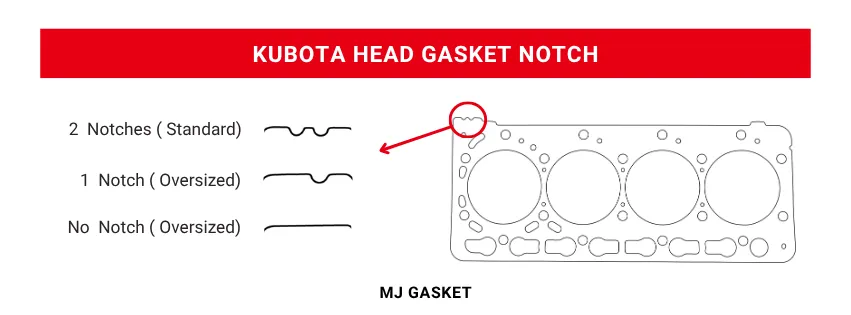
- Check the Notch Marks: Kubota uses notches on the head gasket edge to indicate thickness:
*2 notches = Standard
*1 notch = 1.00mm Oversized
*No notch = 1.05mm Oversized
How to Choose and Measure the Correct Gasket Thickness
- Replacing engine components? If you’ve swapped pistons, piston pin bushings, connecting rods, or bearings, select the gasket thickness based on the average piston head protrusion or recession measurement.
- How to measure piston protrusion: Set up a stationary dial indicator and measure the piston head protrusion from the crankcase cylinder surface at 4 points per piston. Then calculate the average across all pistons.
- No disassembly needed for identification: The notch markings on the head gasket edge let you identify the installed gasket thickness without removing the cylinder head, it is a useful time-saver during inspection.
- Match your measurement to the chart: Use the part number tables below to pick the correct cylinder head gasket thickness based on your piston protrusion reading.
The cylinder head area is one of the most critical parts of engine operation. When in doubt, always refer to your Kubota engine manual for accurate specifications.
Kubota Head Gasket Replacement
Kubota V2203 Head Gasket and Head Gasket Kit
For the Kubota V2203 head gasket replacement, the part number you’re looking for is 19077-03310. This is the standard cylinder head gasket with 2 notches, made from graphite material. If you’d rather grab a complete rebuild kit, the Kubota V2203 head gasket kit part number is 16691-99354, it bundles everything you need in one order.
| Part Number | Description |
|---|---|
| 19077-03310 | Kubota V2203 Head Gasket – Standard (2 notches, graphite) |
| 16691-99354 | Kubota V2203 Head Gasket Kit |
Kubota V3300, V3600, and V3800 Head Gasket
The head gaskets for Kubota V3300, V3600, and V3800 series engines are multi-layer steel (MLS) gaskets, available in three different thicknesses. Use the notch markings described above to confirm which one you need.
| Engine Model | Part Number | Thickness | Note |
|---|---|---|---|
| V3300, V3300-DI, V3300-DI-T, V3300-T, V3600, V3600-T | 1C020-03312 | Standard | Replaces 1C020-03310 and 1C020-03311. |
| 1C020-03602 | 1 Notch (1.00mm Oversized) |
Replaces 1C020-03600 and 1C020-03601 | |
| 1C020-03612 | No Notch (1.05mm Oversized) |
Replaces 1C020-03610 and 1C020-03611 | |
| V3800-CR-TE4, V3800-CR-TIE4, V3800-DI, V3800-DI-T, V3800-TIEF4 | 1J500-03310 | Standard | Replaces 1G514-03310, 1G514-03314 and 1G514-03313 |
| 1J500-03600 | 1 Notch (1.00mm Oversized) |
Replaces 1G514-03600, 1G514-03604, 1G514-03602 and 1G514-03603 | |
| 1J500-03610 | No Notch (1.05mm Oversized) |
Replaces 1G514-03610, 1G514-03612, 1G514-03614, and 1G514-03613 |
Quick FAQ about Kubota Head Gasket Replacement
1. What do the notches on a Kubota head gasket mean?
The notches on a Kubota head gasket indicate the gasket thickness:
2 notches = Standard thickness
1 notch = Oversized
No notch = Oversized
These markings are on the edge of the gasket, so you can identify the currently installed thickness without removing the cylinder head, a handy shortcut during inspection.
2. How do I choose the correct head gasket thickness for a Kubota engine?
The correct thickness depends on your piston head protrusion measurement. Use a stationary dial indicator to measure the piston protrusion from the crankcase cylinder surface at 4 points per piston, then calculate the average across all pistons. Match that average to the gasket selection chart in your Kubota engine manual to determine whether you need standard or oversized one. If you’ve recently replaced major components like pistons or connecting rods, always re-measure rather than assuming the original gasket thickness is still correct.
3.What does the engine code mean on a Kubota engine?
Kubota engine codes follow a letter-and-number system to describe the engine specs. Breaking down V2203:
V = Vier (German for “four”) → 4-cylinder engine
22 = 2.2L displacement
03 = engine series
Any letters after the series number describe additional features: T for Turbocharged, DI for Direct Injection, CR for Common-rail injection, and I for Intercooled. Once you know the pattern, reading any Kubota engine code becomes pretty straightforward.