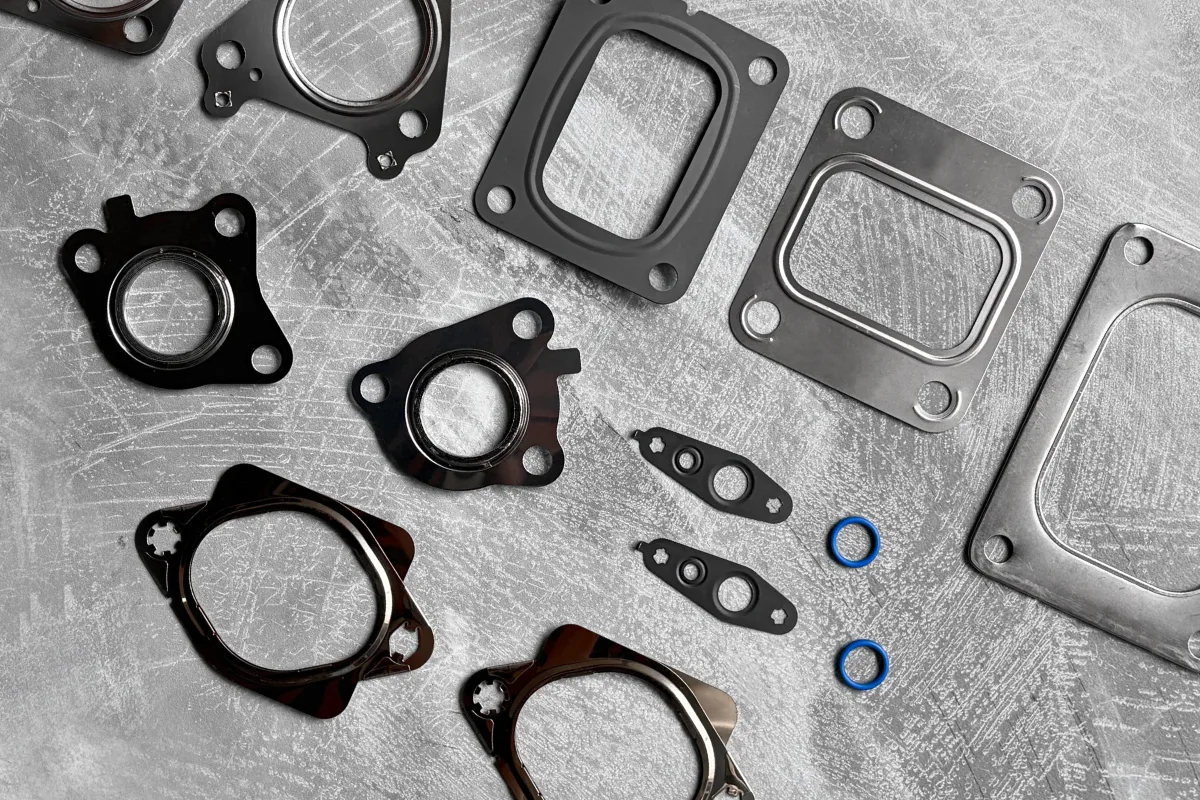
When people talk about diesel performance upgrades, they usually focus on the big-ticket items: larger turbos, injectors, tuning, airflow, or exhaust systems. But there’s one small component that can quietly make or break the entire setup: the turbo gasket.
A leaking turbocharger gasket might not seem like a huge deal at first, but even a minor leak can hurt boost pressure, slow turbo spool, increase exhaust temps, and eventually lead to expensive repairs. For diesel performance shops, engine builders, and aftermarket brands across North America, choosing the high-quality turbo gasket kit is a lot more important than most people realize.
Whether you’re working on a 6.7 Cummins, 6.7 Powerstroke, 6.6 Duramax, or even a 3.5 EcoBoost platform, proper turbo sealing is critical if you want reliable horsepower.
What Is a Turbo Gasket?
Turbochargers, often simply called turbos, are one of the most important components in modern diesel performance engines. With their snail-shaped housing design, turbos are often described as a system that “turns waste into power.” They recycle exhaust gas energy and convert it into usable horsepower, helping the engine produce more power and better efficiency. Because turbo systems operate under extremely high heat and pressure, proper sealing becomes critical, and that’s where the turbo gasket comes in.
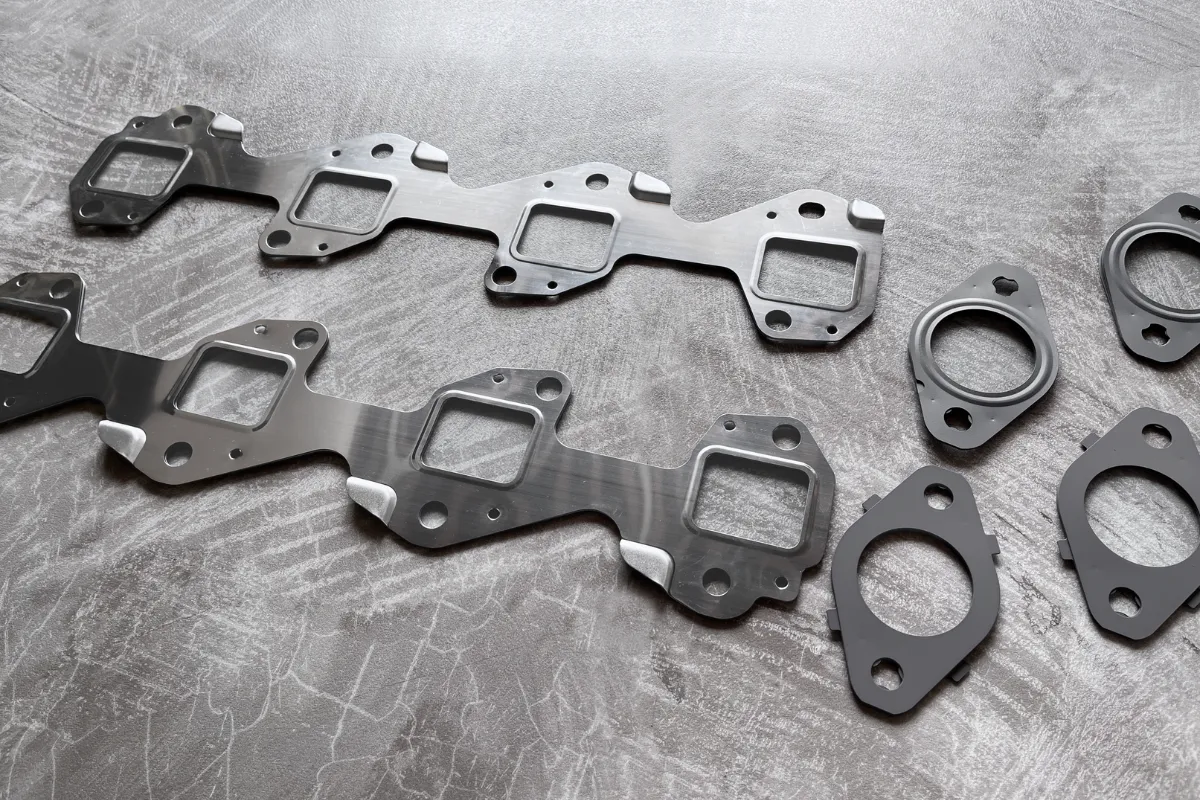
A turbo gasket is designed to seal connections between turbocharger components, helping prevent exhaust leaks, oil seepage, and boost pressure loss. These gaskets are commonly used between the turbocharger, exhaust manifold, downpipe, and turbo oil drain connections. Even a small leak can reduce turbo efficiency and eventually lead to costly repairs.
In high-performance diesel applications, including the 6.7 Powerstroke, 6.7 Cummins, 6.6 Duramax, and 3.5 EcoBoost platforms, choosing a high-quality turbocharger gasket or turbo gasket kit is especially important. This becomes even more critical for upgraded turbo systems that require custom-made turbo gaskets designed to match specific turbo setups and handle higher boost pressure and exhaust temperatures.
What Are Common Symptoms of a Blown Turbocharger Gasket?
When a turbocharger gasket fails, it can cause exhaust leaks, oil leaks, or boost pressure loss. In many cases, the symptoms start small but gradually become more noticeable as the leak gets worse.
Here are some of the most common warning signs of a bad turbo gasket:
1. Loss of engine power
A leaking turbo gasket can reduce boost pressure, causing slower turbo spool and weaker acceleration.
2. Poor acceleration response
The vehicle may feel less responsive, especially under load or during hard acceleration.
3. Unusual engine bay noises
Just like we mentioned in the exhaust manifold gasket article, a leaking gasket can create hissing or ticking sounds due to escaping exhaust gases around the turbo system.
4. Blue exhaust smoke
Oil leaking into the exhaust system may burn during operation, producing blue smoke from the tailpipe.
5. Burning oil smell
Leaking oil near hot turbo or exhaust components can create a strong burning oil odor.
6. Check engine light
Boost leaks or airflow imbalances may trigger fault codes and activate the check engine light.
7. Oil leaks around the turbo
Worn or damaged turbo oil drain gaskets may cause visible oil seepage around the turbocharger area.
Common Causes of Turbo Gasket Failure
Because turbochargers operate under extreme heat and pressure, turbo gasket failure is usually caused by a combination of thermal stress, boost pressure, and installation issues.
Here are some of the most common causes:
1. Extreme heat and thermal fatigue
Turbochargers operate in very high-temperature environments. Over time, repeated heat cycles can cause gasket materials to weaken, crack, or lose sealing ability.
2. Excessive boost pressure
Improper ECU tuning or aggressive performance upgrades can push boost pressure beyond the factory design limits, placing extra stress on the turbocharger gasket and increasing the risk of leaks.
3. Improper installation or reusing old gaskets
Uneven bolt torque during turbo installation, failing to follow OEM tightening specifications, reusing single-use gaskets, or using low-quality aftermarket gaskets can all result in poor sealing performance and premature gasket failure.
4. Loose mounting bolts and vibration
If the bolts connecting the exhaust manifold and turbocharger become loose due to engine vibration, the turbo gasket may experience uneven clamping pressure, eventually causing the gasket to crack or fail.
Preventing Turbo Gasket Failure
Preventing turbo gasket failure starts with proper installation and using the right components. As mentioned earlier, avoiding reused gaskets, following correct torque specifications, and choosing high-quality OEM or premium aftermarket gaskets can make a huge difference.
Regular maintenance also plays an important role. Following the manufacturer’s recommended service intervals helps ensure the engine, turbo system, and related hardware, including bolts and fasteners, remain in good condition and free from vibration-related issues that may eventually lead to gasket leaks.
OEM vs Aftermarket Turbo Gaskets: What’s the Difference?
As mentioned earlier, using a high-quality turbo gasket is one of the best ways to improve turbo sealing and overall engine performance. But many diesel performance builders still ask the same question: should you choose an OEM turbocharger gasket or an aftermarket turbo gasket kit? The answer really depends on the application, performance goals, and budget.
OEM Turbo Gaskets
OEM turbo gaskets are designed to meet original factory specifications, which means they usually offer:
- Proven compatibility with original turbo systems
- Stable quality for stock applications
- OEM-level manufacturing standards
The downside? OEM parts are often more expensive, and some OEM gasket materials may become a limitation in high-boost diesel performance builds.
Aftermarket Turbo Gaskets
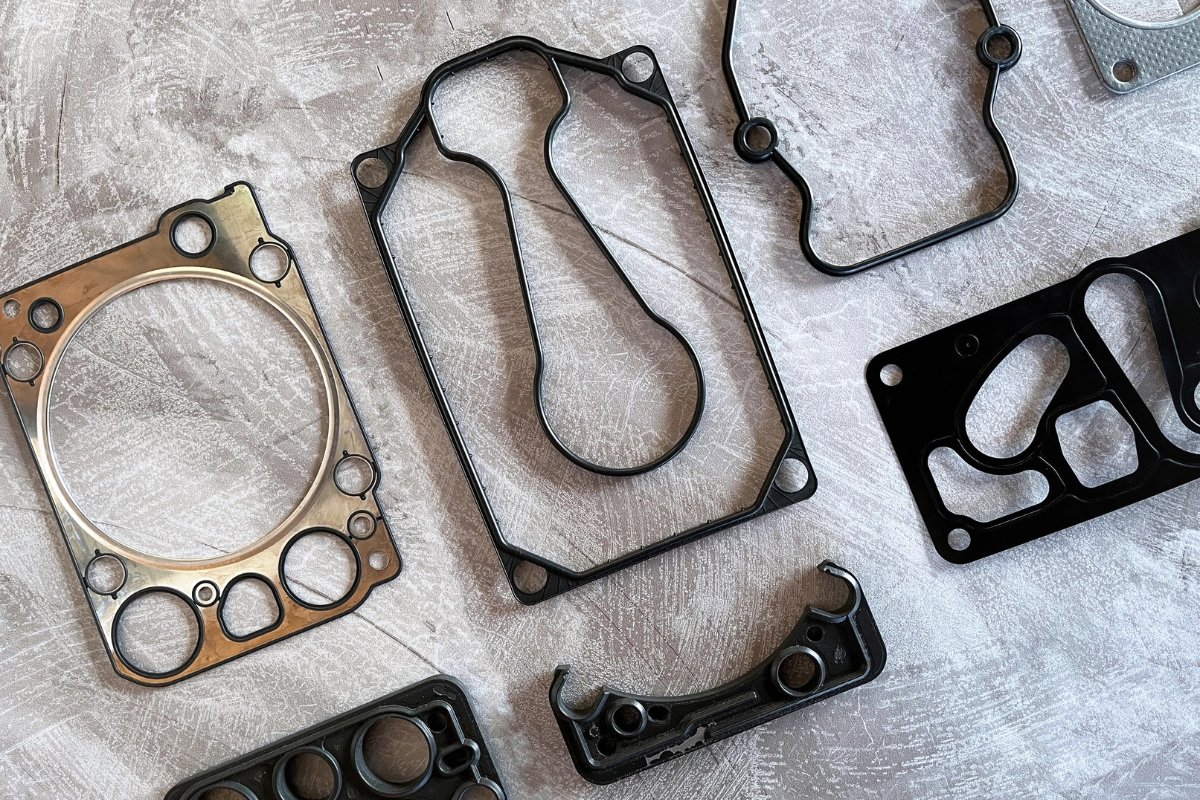
Aftermarket turbo gasket kits are commonly used in the North American diesel performance market because they provide more flexibility for modified engines and upgraded turbo systems.
Advantages often include:
- More cost-effective pricing
- Custom material and thickness options for different turbo applications
- More flexibility for performance builds and specialized engine setups
As an aftermarket gasket manufacturer, from our experience in the diesel performance industry, turbocharger performance is closely connected to gasket design, especially on high-performance platforms like Ford Powerstroke, Ford EcoBoost, GM Duramax, and Dodge Cummins engines.
For some upgraded turbo builds, custom turbocharger gasket solutions may include enlarging the turbo exhaust port opening, using thicker gasket materials for additional sealing support, or upgrading to more heat- and pressure-resistant materials than standard OEM designs, for example, replacing a non-asbestos filler sandwich-type turbo gasket with a graphite filler version.
However, not all aftermarket gaskets are created equal. Quality can vary significantly depending on the manufacturer, material selection, and production standards.
|
Important Notice: 1. As much as we’d love to bring your classic engine back to life with you, our custom projects are better suited for B2B customers, as they require a minimum order quantity of 500–1000 pieces. 2. Just a heads-up: we do not design or re-engineer gaskets; we focus on gasket duplication, so technical drawings or samples are required. |
How Turbo Gasket Kits Boost Your Diesel Performance Product Line? Turbo Gasket for Diesel Performance Engines
Below are some common turbo gasket kit applications used in diesel performance and aftermarket turbo systems, including solutions for Ford Powerstroke, Ford EcoBoost, and GM Duramax engines.
6.7 Powerstroke Turbo Gasket Kit
3.5 EcoBoost Turbo Gasket Kit
6.6 Duramax Turbo Gasket Kit
Quick FAQ about Turbo Gasket
What does a blown turbo gasket sound like?
A leaking turbo gasket may create hissing, ticking, or whistling noises caused by escaping exhaust gas or boost pressure around the turbocharger.
How do I know if my turbo seals are bad?
Common signs include blue exhaust smoke, oil leaks, power loss, poor acceleration, and slower turbo spool.
Can you reuse turbo gasket?
Reusing a turbo gasket is generally not recommended because old gaskets may lose sealing ability after repeated heat and pressure cycles.
Is a turbo gasket kit better than a single gasket?
A turbo gasket kit is often a better option because it replaces multiple sealing points at once, helping reduce future boost or exhaust leaks.