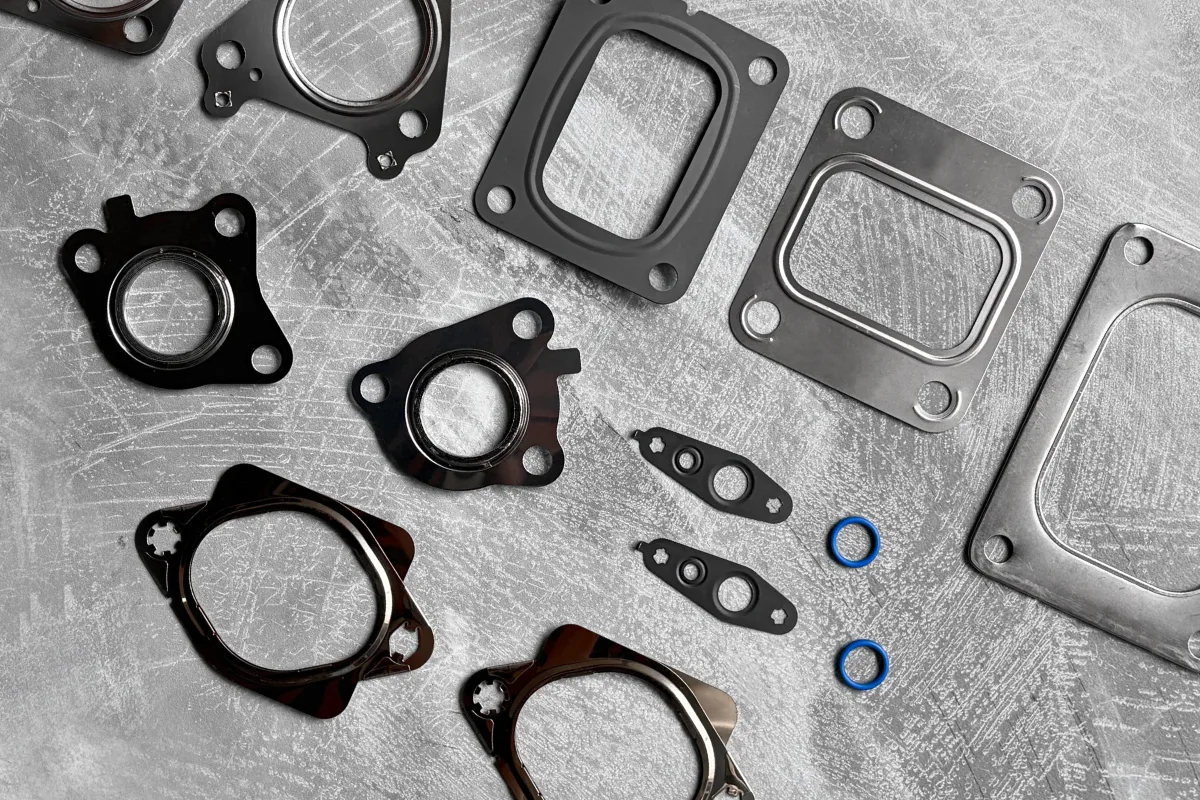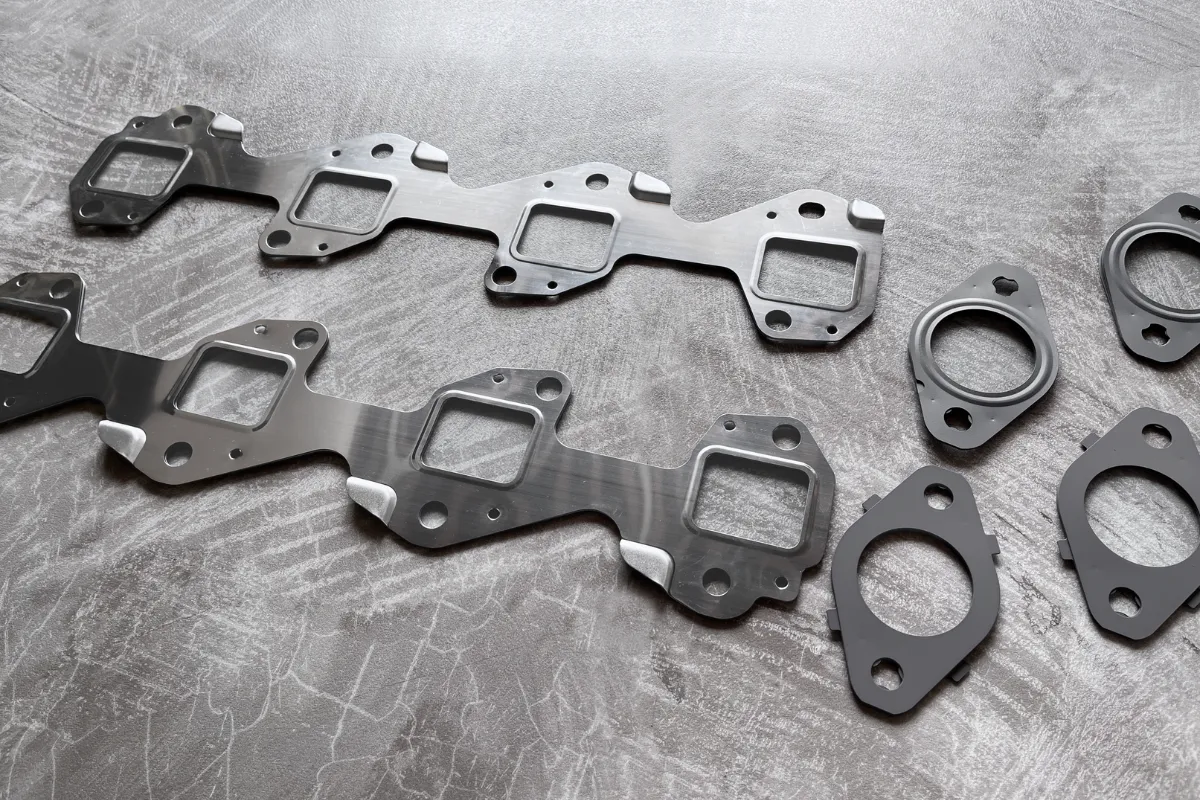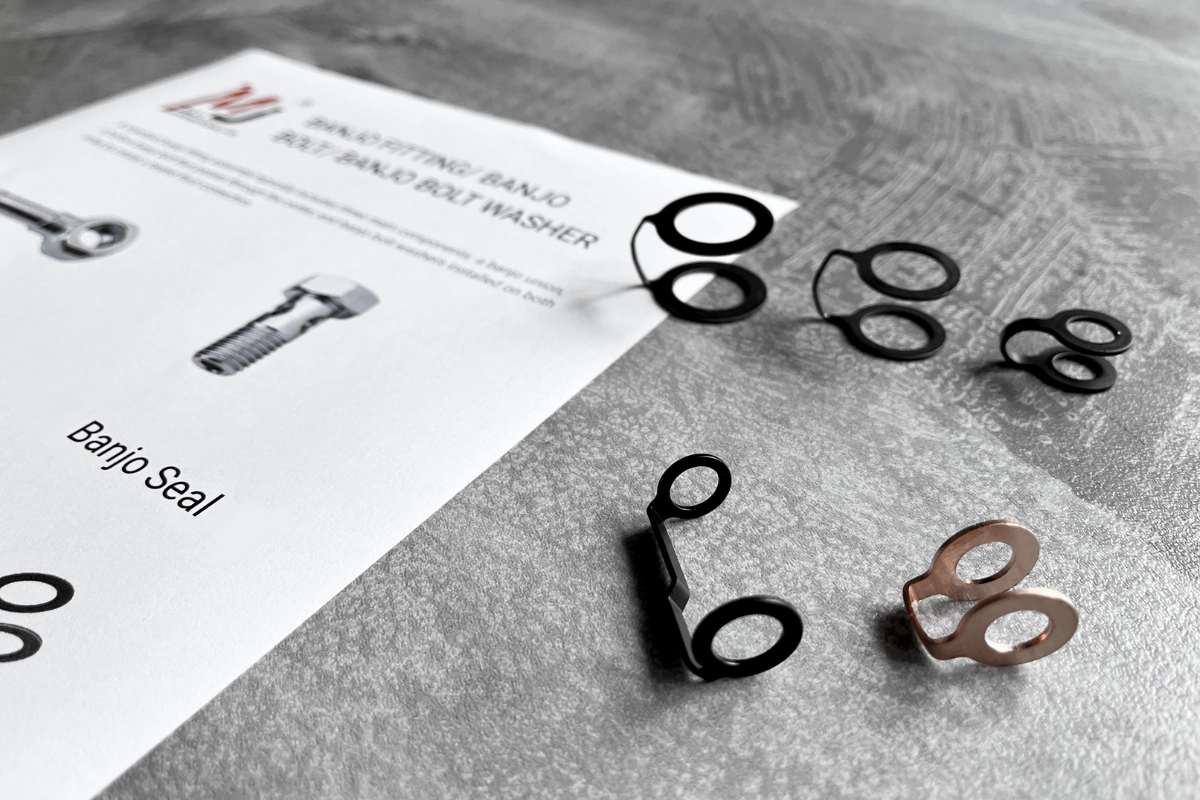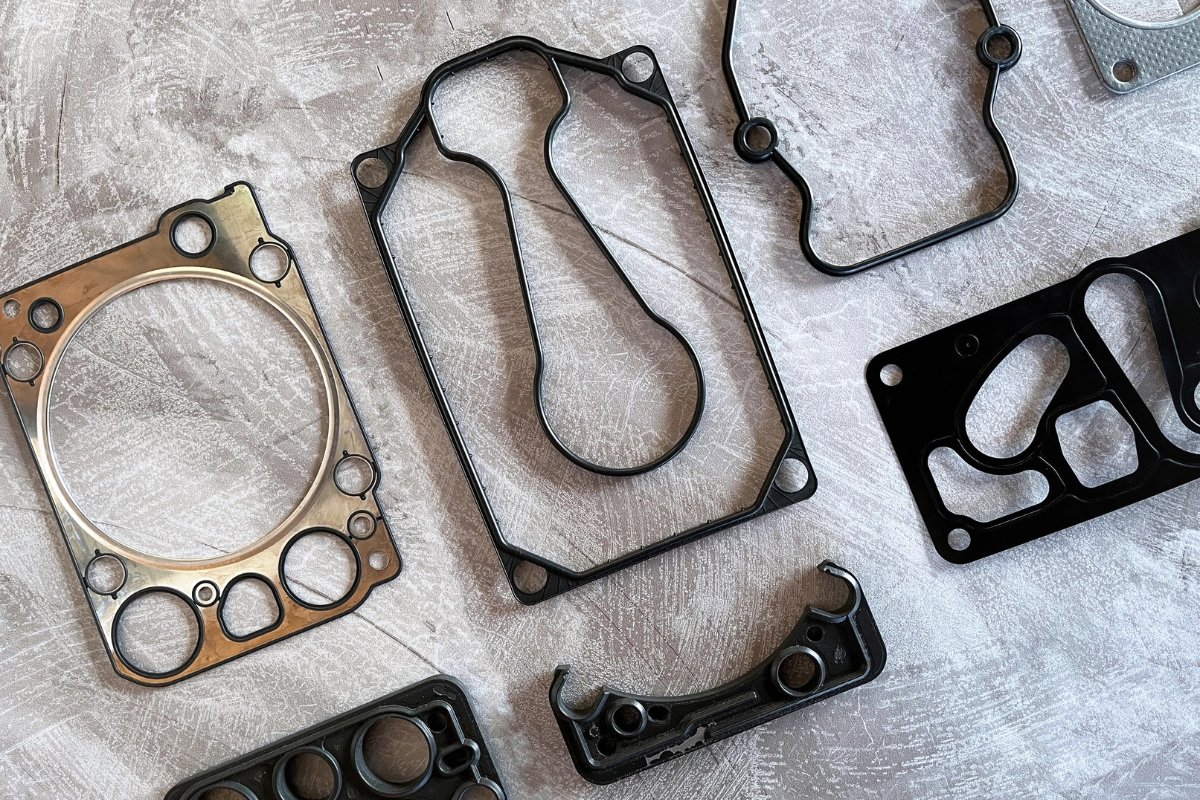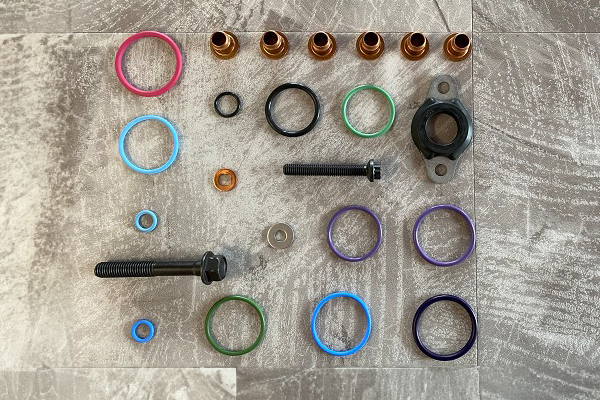
Fuel injector seals are essential components that ensure proper sealing, fuel efficiency, and overall engine performance. They prevent fuel and air leakage while ensuring that the fuel is delivered to the combustion chamber without any loss or wastage. If injector seals start to fail, your engine performance can quickly drop. In this article, we will explore fuel injector seals in more detail, including how to check and rebuild them if needed, common injector seal failure symptoms and causes of failure, how to prevent them, and how fuel injector kits aid in rebuilding.
Table of Contents
What are Fuel Injector Seals?
Fuel injector seals are small but critical components in an engine system. They’re typically made from high-temperature and high-pressure resistant rubber or copper and sit between the fuel injectors and the cylinder head. These seals create a tight seal between the fuel injectors and the cylinder head, preventing fuel and air leakage. They also keep unwanted air from entering the fuel system, which could affect the air-fuel ratio and cause engine problems.
Over time, however, these seals can wear out, harden, or crack, losing their sealing ability. When this happens, leaks can occur, leading to higher fuel consumption, increased emissions, and poor engine performance. That’s why regular inspection and maintenance of fuel injector seals are essential if you want to avoid bigger engine issues down the line.
Checking and Replacing Fuel Injector Seals
5 Ways to Check Fuel Injector Seals
In order to ensure that your fuel injector seals are in good condition, there are a few steps you can take.
1.Visual Inspection of the Fuel Injector Seals:
Inspect the seals for any signs of damage or wear, such as cracks, tears, or other visible defects. If any issues are found, they should be addressed immediately, as damaged seals can lead to fuel leaks and other problems.
2.Check for Coolant Leakage Around the Injector Sleeve:
Inspect the injector sleeve area for any signs of coolant leakage. The presence of coolant may indicate a failure in the injector cup sealing and should be addressed promptly.
Read more: Injector Cup Seal Failure Cause and Sealing Solutions
3.Check for Unusual Smell:
After driving for a while, check if you can smell strong exhaust fumes or a burnt fuel odor around the vehicle. This is often a sign of high-temperature gas leakage.
4.Inspect for Carbon Buildup:
Check around the injector area, heavy black, tar-like carbon deposits or oily sludge may indicate leakage of fuel and combustion air.
5.Check Engine Start and Idle Condition:
Pay attention to hard starting (especially when cold), engine stalling, or noticeable vibration at idle. These symptoms may indicate insufficient compression caused by sealing issues.
For more accurate results, professional diagnostic methods such as fuel pressure testing or smoke testing are recommended.
If you’re unsure about the condition of your fuel injector seals, it’s always a good idea to have them inspected by a qualified mechanic. Because fuel systems operate under high pressure and temperature, improper inspection or handling can lead to safety risks or further damage. A professional technician has the right tools and experience to accurately diagnose issues and ensure proper repairs.
Rebuilding Fuel Injector Seals
To replace the fuel system sealing, firstly it’s important to allow the engine sufficient time to cool down.
You will need to remove the fuel injectors from the engine, which may involve disconnecting wires, hoses, or clips. If the system uses electronic unit injectors, be sure to disconnect the unit injector enable circuit connector.
Before removing the injectors, you should also relieve the pressure in the fuel system. Once the injectors are removed, the old seals can be carefully taken off using pliers or a screwdriver.
Next, clean the fuel injector body and the area around the injector seat within the injector sleeve to remove any dirt or debris.
After that, lightly lubricate the new fuel injector seals and install them onto the injectors by pressing them into place using your fingers or an appropriate tool.
Once the new seals are installed, reinstall the injectors and reconnect all components.
Important Notes About Rebuilding Fuel Injector Seals
- Lubricated injector O-rings should be installed immediately.
- Do not reuse old seals.
- Store injector O-rings properly to prevent contamination.
- Avoid overstretching the seals during installation.
Final Reminder:
Since engine fuel system designs may vary, always refer to the manufacturer’s service manual for the correct procedures.
Common Symptoms and Causes of Fuel Injector Seal Failure
Fuel injector seal failure is a common issue that can lead to a variety of engine performance problems, indicating the need for maintenance or replacement. Common symptoms of fuel injector seal failure include increased fuel consumption, black exhaust smoke, engine misfires, and rough idling.
There are several reasons why fuel injector seal failure may occur. One of the most common is aging or deterioration of the seal material, which can cause the seal to become brittle and crack over time. Exposure to extreme heat or cold can also cause the seal to degrade, leading to eventual failure. Contamination or corrosion of the seal surface can also cause problems, as can improper installation or alignment of the seal. Over-tightening or loosening of the injector bolts may also contribute to seal failure.
The material used for fuel injector seals also plays a critical role in their durability and performance. Different materials offer varying levels of resistance to heat, pressure, and chemical exposure. Using the right material can significantly reduce the risk of premature failure. For a more detailed overview, you can refer to our article on 8 Types of Materials Used for Fuel Injector Seals.
Overall, it is important to monitor the symptoms of fuel injector seal failure and take appropriate action when necessary. Regular maintenance and inspection of the fuel injector system can help prevent seal failure and extend the lifespan of your vehicle.
Preventing Fuel Injector Seal Failure
To prevent fuel injector seal failure, you should follow the recommended injector maintenance schedule of your vehicle. Regular inspection of fuel injectors and seals is critical to detect any damage or wear early.
Additional preventive measures include using high-quality fuel that meets your vehicle’s specifications, replacing the fuel filter regularly to prevent contaminants from entering the system, avoiding the use of additives or cleaners that may damage seal materials, and checking engine oil condition to prevent dilution or contamination.
As mentioned earlier, proper handling during installation is also critical to maintaining seal integrity. Lubricated seals should be installed immediately, and old seals should never be reused, as they may have already lost their elasticity and sealing capability. Seals should also be stored properly to avoid contamination, and care must be taken to avoid overstretching them during installation.
How Fuel Injector Seal Kits Aid in Rebuilding
A fuel injector seal kit can be invaluable when rebuilding fuel injectors. Here’s how it helps:
- Seal Replacement: Over time, the seals in fuel injectors can degrade due to exposure to heat, fuel, and other factors. A seal kit typically includes all the necessary seals, O-rings, and gaskets needed to rebuild the old ones. This helps ensure proper sealing, preventing fuel leaks, and maintaining optimal injector performance.
- Prevention of Contamination: The seal kit provides new seals to prevent contamination of the fuel injector. Contaminants such as dirt, debris, and old seal material can interfere with the proper operation of the injector or even cause damage. By replacing the seals, you eliminate this risk and ensure clean operation.
- Improved Performance: Proper sealing is crucial for the precise metering of fuel into the engine cylinders. If the seals are worn or damaged, it can lead to issues like fuel leaks, poor fuel atomization, and inconsistent engine performance. Installing a seal kit restores the injector’s ability to deliver fuel accurately, resulting in improved engine performance, fuel efficiency, and emissions control.
- Cost-Effectiveness: Rebuilding fuel injectors with a seal kit is often more cost-effective than purchasing new injectors. It allows you to extend the life of your existing injectors by replacing worn components rather than replacing the entire unit.
- Customization and Compatibility: Seal kits are often available for specific injector models and types, allowing for precise customization and compatibility. This ensures that you get the right seals for your particular injectors, minimizing the risk of fitment issues or performance problems.
Overall, a fuel injector seal kit is a crucial component when rebuilding injectors, as it helps restore proper sealing, prevents contamination, improves performance, and offers cost-effective maintenance options.
What Diesel Fuel Injector Seals and O-rings does MJ offer?
Now you know the importance of diesel injector seals. MJ Gasket provides seals for your engine injector system, and the perfect fit is our final mission.
The following are common applications of heavy-duty fuel injector seal kits:
Caterpillar – Fuel Injector O-Ring Kit
Prevent fuel leaks in your engine with Caterpillar Fuel Injector O-Ring Kits, available for C10/C12 and 3406E/C11/C13/C15/C16/C18 models.
Detroit Diesel – Fuel Injector Seal Kit
Ensure your Detroit Diesel engine is running smoothly with the right fuel injector kit.
Navistar International High-Pressure Oil Rail Seal Kit
Navistar International High-Pressure Oil Rail Seal Kit, available for DT466/HT570 models.
If you are looking for fuel injector seals for other brands, please visit our List of Fuel Injector Seal Product Pages for more information.
Quick FAQ about Fuel Injector Seals
1. How to replace fuel injector seals?
To replace fuel injector seals, first allow the engine to cool down and relieve fuel system pressure. Then remove the injectors, disconnecting any necessary wires or hoses. After removing the old seals, clean the injector and seating area, lubricate the new seals, and install them carefully. Finally, reinstall the injectors and reconnect all components. Always follow the manufacturer’s service manual for exact procedures.
2. What are the symptoms of bad injector seals?
Common symptoms include increased fuel consumption, black exhaust smoke, engine misfires, and rough idling. You may also notice fuel odor, carbon buildup around the injectors, or difficulty starting the engine.
3. How to prevent fuel injector seal failure?
To prevent failure, follow regular maintenance schedules and inspect injectors frequently. Use high-quality fuel, replace fuel filters regularly, and avoid harmful additives.
During installation, always use new seals, install lubricated seals immediately, store them properly, and avoid overstretching to maintain sealing performance.
4. Can I drive with a bad injector seal?
It is not recommended to continue driving with a bad injector seal.
Leaking seals can lead to poor engine performance, increased emissions, and potential engine damage. In some cases, it may also pose safety risks due to fuel leakage. It’s best to have the issue inspected and repaired as soon as possible.
|
Important Notice: 1. As much as we’d love to bring your classic engine back to life with you, our custom projects are better suited for B2B customers, as they require a minimum order quantity of 500–1000 pieces. 2. Just a heads-up: we do not design or re-engineer gaskets; we focus on gasket duplication, so technical drawings or samples are required. |